
Social Media Marketing
Social Media Marketing (SMM) is a powerful digital marketing approach that uses social media platforms to connect businesses with their target audience, promote products or services, and achieve specific marketing objectives. It involves the strategic creation, distribution, and management of content across social networking sites such as Facebook, Instagram, YouTube, LinkedIn, X (Twitter), Pinterest, and TikTok.
In today’s digital era, social media has become an integral part of everyday life. People use social platforms not only to communicate and share information but also to discover brands, research products, read reviews, and make purchasing decisions. As a result, businesses can no longer rely solely on traditional marketing methods. Social media marketing allows organizations to meet customers where they already spend a significant amount of their time.
Social Media Marketing goes beyond simply posting content. It includes audience research, content planning, community engagement, paid advertising, influencer collaborations, and performance analysis. Through likes, comments, shares, messages, and reactions, brands can interact directly with their audience, understand customer needs, and build long-term relationships.
Why is Social Media Marketing Important
Social Media Marketing plays a crucial role in the success of modern businesses by enabling direct communication with customers and building a strong online presence. Its importance has increased significantly due to the widespread use of social media platforms across different age groups and regions.
1. Increases Brand Awareness
Social media platforms allow businesses to reach a global audience within a short period. Regular posting, sharing, and promotion help brands stay visible and recognizable. Even small businesses can compete with larger brands by creating engaging and creative content.
2. Enhances Customer Engagement
Social media enables two-way communication between brands and customers. Likes, comments, shares, direct messages, polls, and live sessions help businesses interact with their audience in real time, increasing engagement and building stronger relationships.
3. Cost-Effective Marketing Solution
Compared to traditional advertising methods such as television, radio, and print media, social media marketing is more affordable. Businesses can promote their products organically or run paid ads with flexible budgets, making it suitable for startups and small enterprises.
4. Drives Website Traffic
Social media acts as an important traffic source for websites and landing pages. By sharing links to blogs, products, and services, businesses can attract potential customers and increase website visits.
5. Supports Lead Generation and Sales
With advanced targeting options, social media advertising allows businesses to reach users based on demographics, interests, behavior, and location. This helps in generating quality leads and improving conversion rates.
6. Builds Customer Trust and Brand Loyalty
Consistent posting, transparent communication, and prompt responses to customer queries help build trust. Positive reviews, testimonials, and user-generated content further strengthen brand credibility and customer loyalty.
7. Provides Valuable Customer Insights
Social media analytics tools provide data on audience behavior, preferences, engagement patterns, and campaign performance. These insights help businesses understand customer needs and refine marketing strategies.
8. Improves Competitive Advantage
By actively monitoring competitors and industry trends on social media, businesses can identify opportunities, adopt new strategies, and stay ahead in the market.
9. Supports Business Growth and Visibility
Social media marketing helps businesses expand their reach, attract new customers, and retain existing ones. It supports long-term growth by maintaining continuous brand exposure and engagement.
Social media marketing is essential for building brand awareness, engaging customers, driving traffic, and increasing sales. A well-planned social media strategy enables businesses to achieve sustainable growth in the digital marketplace.
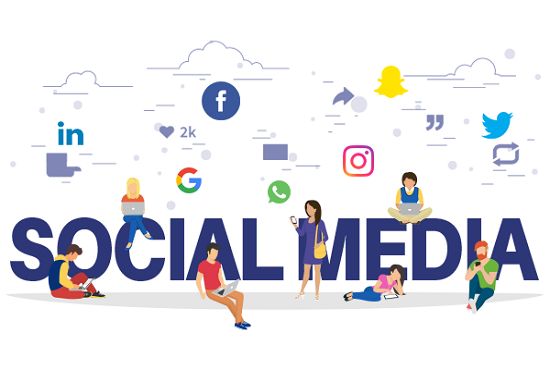
Platform vs Purpose: Choosing Your Social Media Channel
Social Media Marketing is no longer optional it is essential for any business that wants to grow in the digital era. Platforms like Instagram, Facebook, and LinkedIn have transformed how brands connect with their audience.
Success in social media marketing does not come from posting randomly. It comes from:
Clear goals
Strong content strategy
Consistent posting
Active engagement
Data-driven optimization

When you combine creativity with strategy, social media becomes a powerful tool to build brand awareness, generate leads, and increase sales.
In 2026 and beyond, businesses that focus on building genuine relationships, creating valuable content, and adapting to trends will stand out in the competitive market.
Simply put, Social Media Marketing is about turning followers into loyal customers and conversations into conversions.